
In interiors, the way to truly make the design greater than the sum of all its beautiful parts is to establish a sense of movement that adds energy to the space, inviting you to step in and explore. The rhythm created with visual flow and tension, shape variety, and textiles can manipulate how the eye is guided around the room and brings a design alive. A seasoned designer will intentionally focus on a sense of motion to make a space feel more alive and harmonious in several different ways.
Here’s how we achieve the right balance of rhythm and harmony.
1. Incorporating Visual Flow
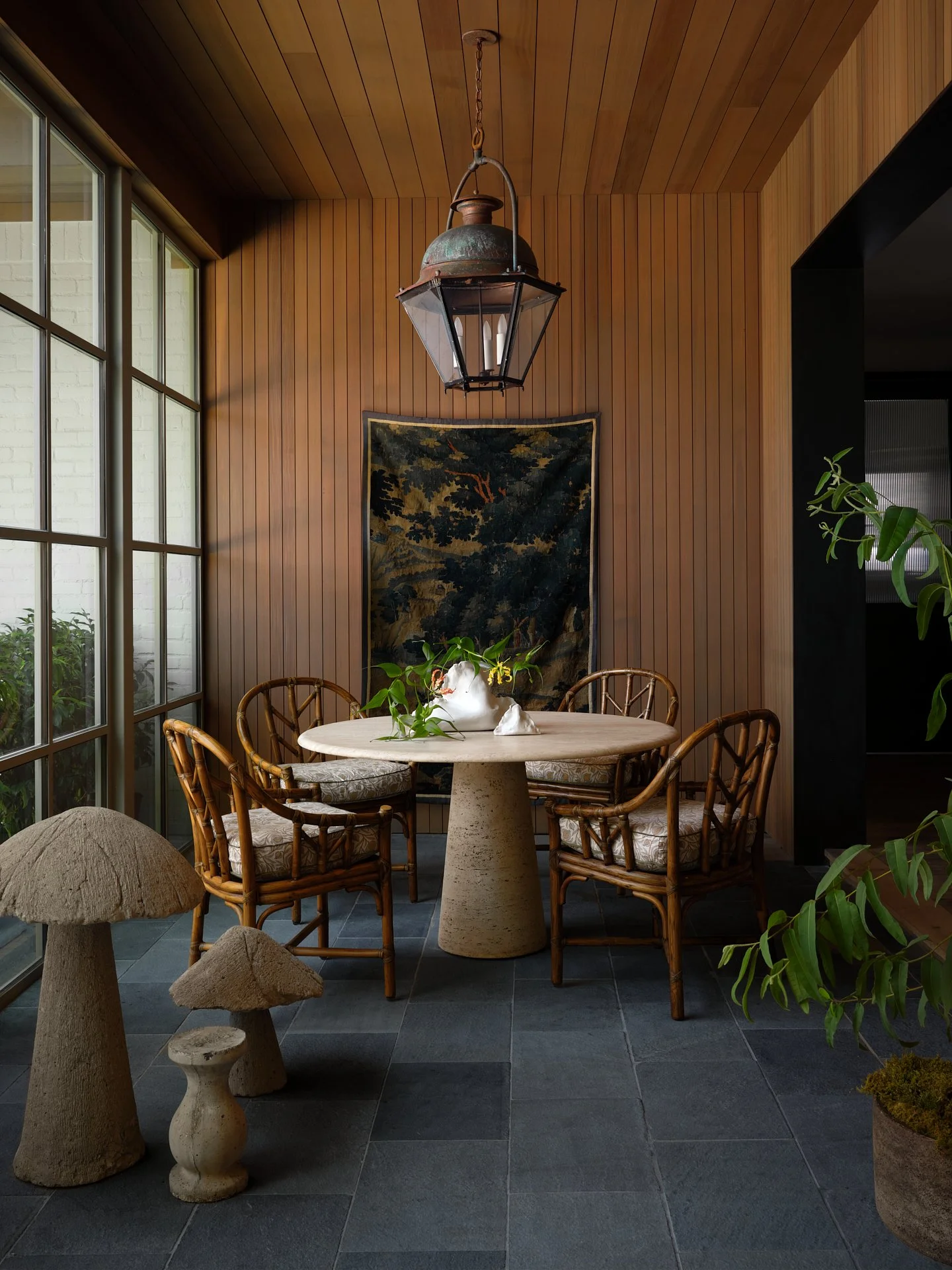
Rhythm is created in a space with a combination of repetition and progression of colors, shapes and patterns by developing a curated path for the eye. Prioritizing patterns gives depth to a design, and when those patterns are repeated, it unifies the entire concept and introduces calm and predictability without feeling stagnant.
Directional lines in flooring or wallcoverings create subtle pathways to move the eye not just throughout on space, but from room to room. Distributing elements like these at intentional intervals makes the space feel dynamic but thoughtful. Meandering décor like a gallery wall introduces the opportunity for establishing a gradual progression of different shapes and sizes and encourages the eye to continue to explore.
Arranging shelves with a mix of objects in different shapes and sizes can achieve a similar effect. From room to room, choosing a color scheme that gradually progresses from one shade to another creates a harmonious rhythm as you move through the entirety of the home.
2. Adding Organic Curves
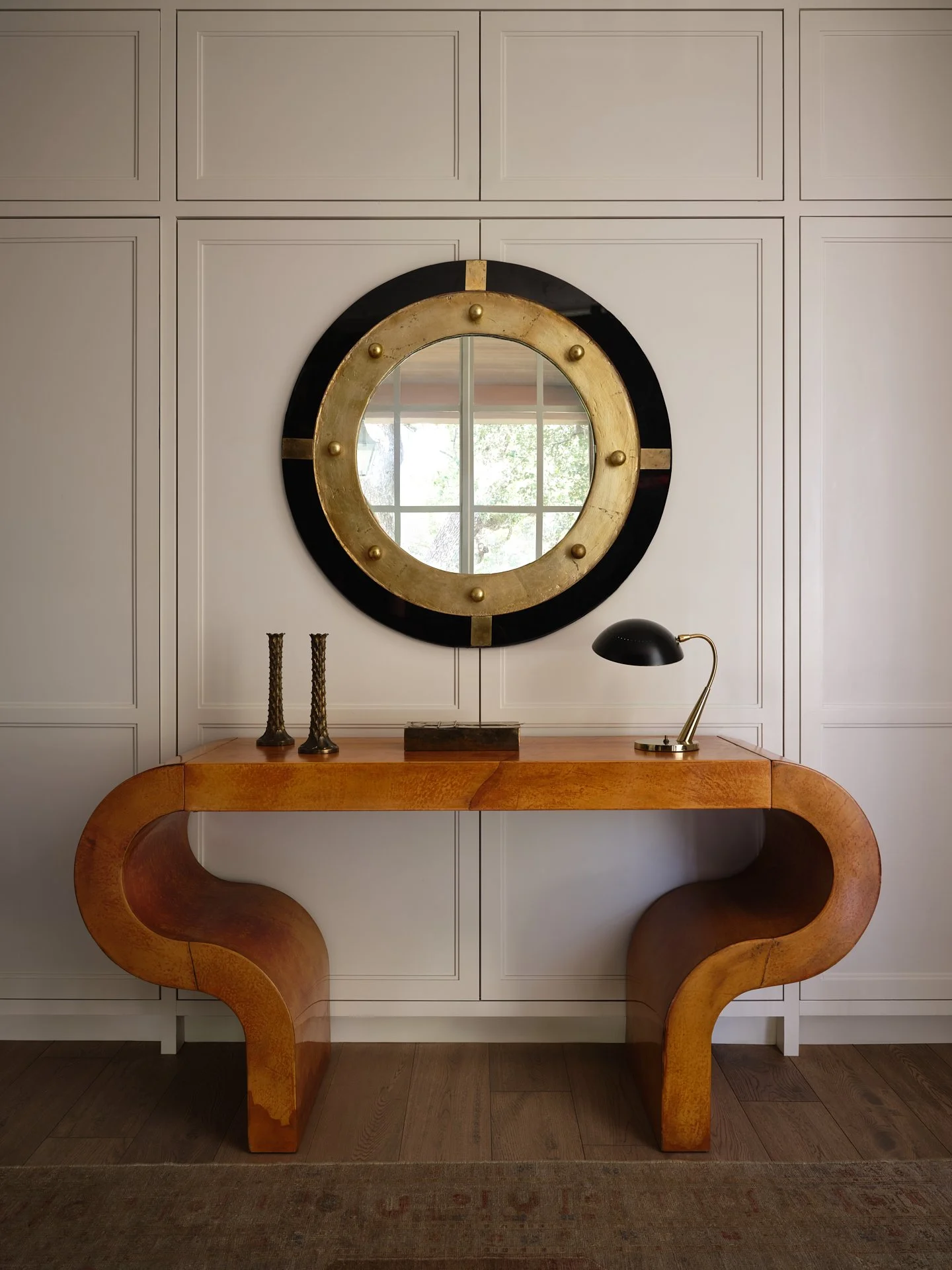
Interior architecture, textiles and furniture all provide opportunities to incorporate curved features that naturally mimic movement and draw the eye throughout the room. These intentional forms add a softness to traditional hard lines of architecture and boxy electronics that are often found in gathering spaces of most homes.
Barrel vault ceilings, arched built-ins, windows and doorways guide the eye seamlessly from one area or room to the next and feel soft and inviting. Fluted architectural details and rippled millwork add dynamic movement through the space and add timeless character with depth. Wallcoverings and fabrics with natural flow create a subtle movement that breathes life into a room. Curved sofas and chairs encourage visual movement and flow. Even subtle details like curved chair legs introduce unexpected motion to a room that add to the rhythm of the space.
3. Creating Visual Tension
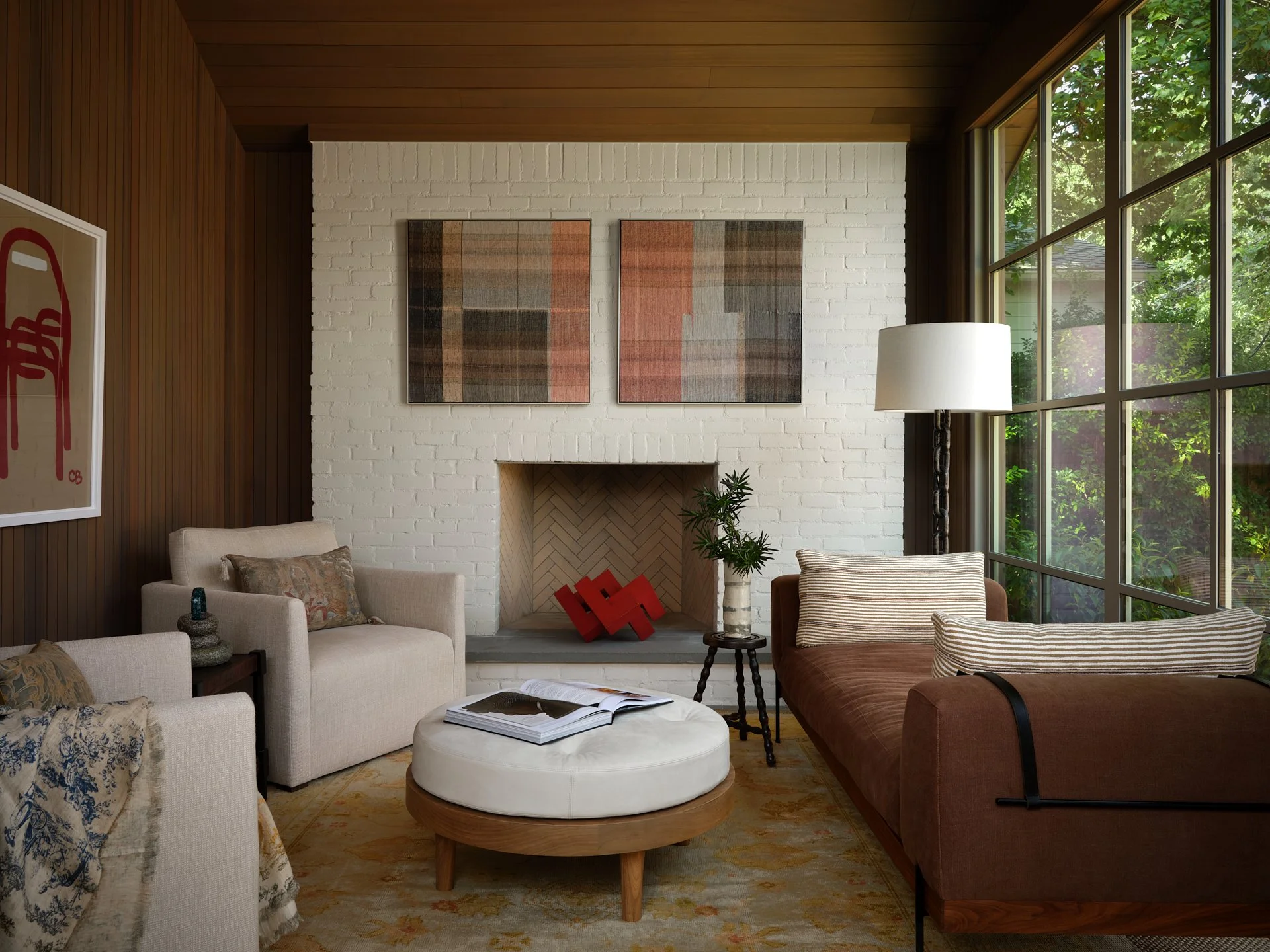
Introducing deliberate contrast between colors, textures, and shapes gently disrupts any perceived sense of perfect symmetry within a room and creates a subtle anticipation that keeps the eye moving and exploring every corner and appreciating those moments and details.
Asymmetric layouts with an off-center focal point or floating furniture add energy and visual interest to the environment while maintaining overall harmony. Pairing contrasting textures like high-gloss surfaces and matte or textured fabrics builds a sense of depth that incorporates complexity and interest to the room. Scale is another place to add contrast, in patterns as well as décor. Styling shelves with collections of different sizes with various shapes builds dimension and adds variety to the space.
This intentional visual tension brings excitement to a room with an effortless flow and the balance of the two work together to fill homes with a sense of surprise and precision.
Done well, incorporating a sense of motion to interiors ensures that all the elements of a space are cohesive while also unexpected and maintain a sense of flow and movement. Creating a balanced rhythm that feels poised rather than chaotic considers every inch of the home, especially negative space, to create a harmonious and inviting living experience. Our goal with each home is to make you feel immediately immersed when stepping into a room and intentionally guided throughout the space. Let us help you add a sense of motion to your interiors with intention.